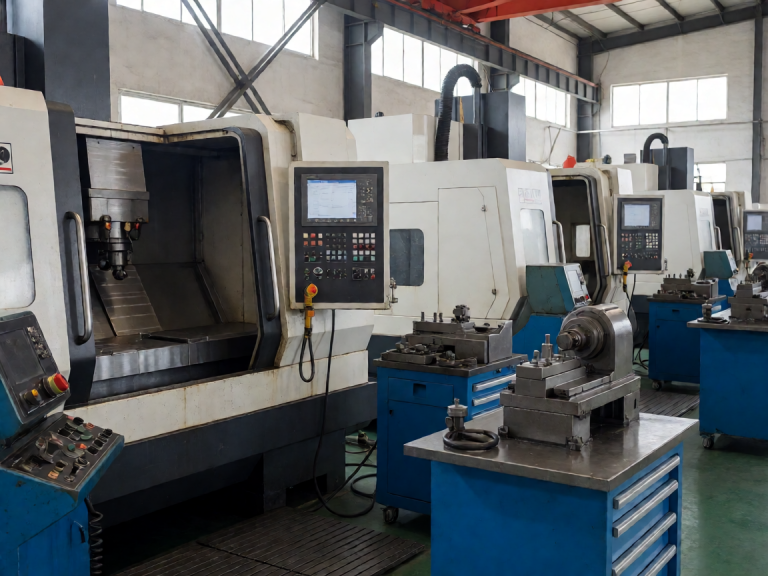












Quarterly production volume demonstrated a consistent upward trajectory, reflecting enhanced capacity utilization across all machining centers. Overall output increased by 14% compared to the previous period, driven by optimized shift scheduling and reduced downtime on high-mix low-volume lines. The facility maintained a 92% equipment availability rate across twenty active workstations, ensuring steady throughput despite fluctuating order complexity and intermittent supply constraints on exotic alloys. Overall Equipment Effectiveness rose to 88%, attributable to faster quick-changeover procedures and more predictable maintenance windows that minimized unplanned interruptions.
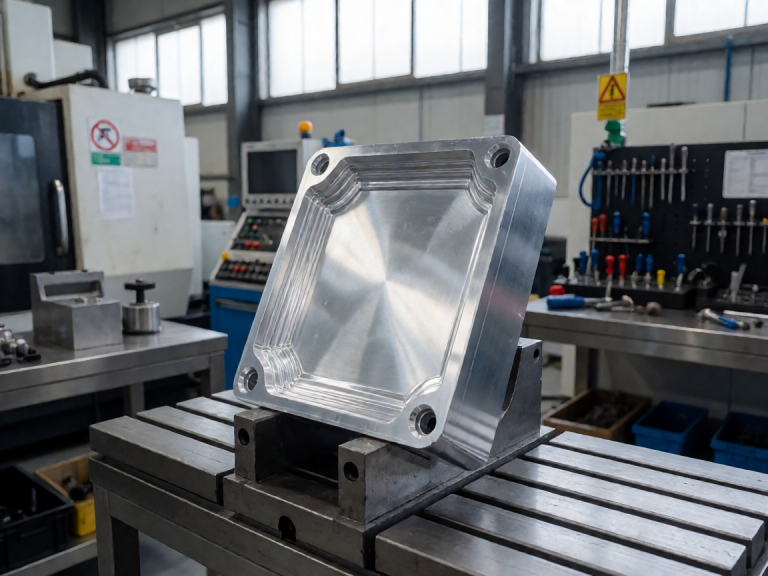
Quality metrics remained within tight tolerances throughout the quarter, with first-pass yield stabilizing at 98.4%. Scrap rates declined by 8 basis points relative to raw material input, indicating improved process control and material handling practices. In-process inspection protocols were reinforced, resulting in fewer non-conformances reaching final acceptance and a measurable reduction in rework cycles. CpK values for critical diameters exceeded 1.33 across all statistical process control charts, confirming sustained capability in high-precision turning operations.
Lead time performance showed significant improvement, with average cycle times decreasing by six percent for standard geometries. On-time delivery rates achieved 97.8%, supported by tighter coordination between engineering and production planning teams. Bottlenecks associated with five-axis machining were mitigated through load balancing strategies, allowing for more reliable promise dates and better resource allocation during peak demand periods. Work-in-progress inventory levels decreased by 15% as flow efficiency improved, reducing storage requirements and accelerating cash conversion cycles.
Continuous improvement initiatives contributed directly to operational gains, particularly in fixture standardization and tool path optimization. The implementation of automated probes on three additional CNC units reduced setup time by an average of twelve minutes per job. Raw material consumption per unit also decreased by four percent due to refined nest configurations, improving margin stability without compromising part integrity or surface finish requirements. Vendor-managed inventory agreements for cutting tools further streamlined procurement, eliminating stockouts and reducing administrative overhead associated with purchase orders.