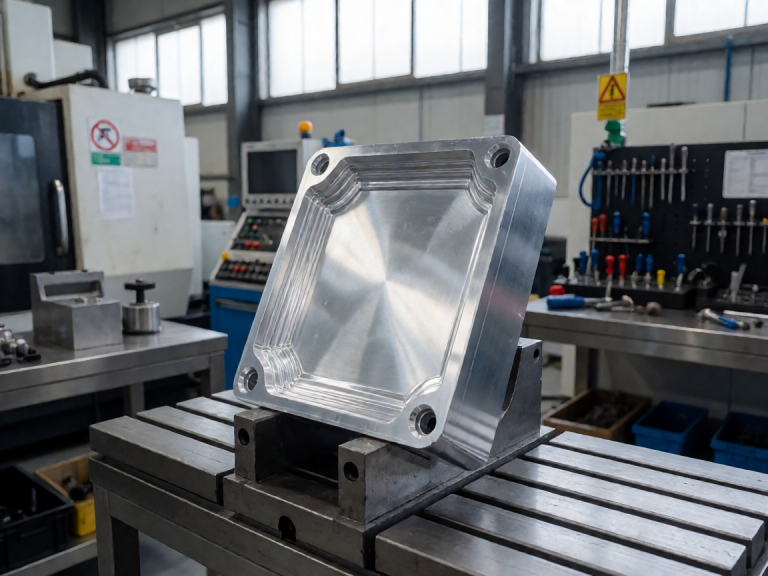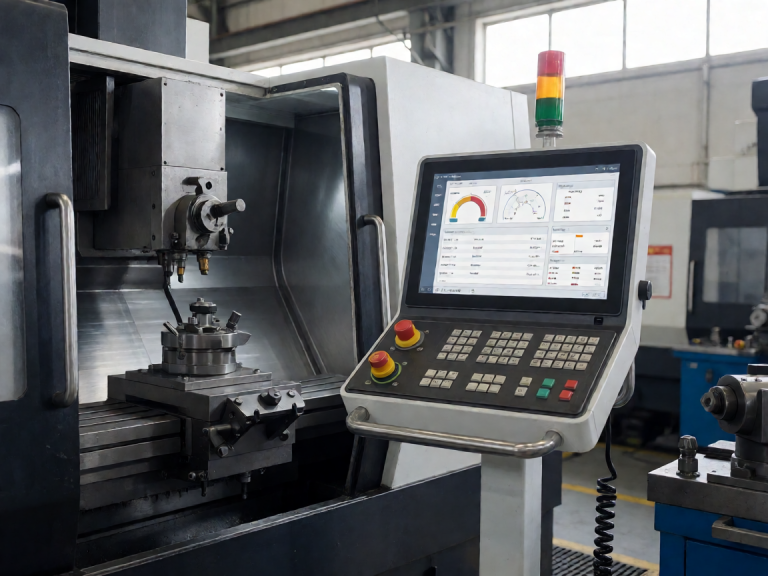












Manufacturers in the precision machining sector face increasing pressure from clients, regulators, and internal stakeholders to reduce their environmental impact. A structured carbon footprint reduction plan begins with a comprehensive audit of energy consumption across all facility operations. This includes evaluating CNC machines, grinding equipment, welding stations, compressed air systems, and HVAC infrastructure to establish accurate baseline emissions data that reflects actual operational conditions rather than estimates.
Transitioning to high-efficiency spindle motors and variable frequency drives on existing equipment represents one of the most cost-effective improvements available. These upgrades can reduce energy consumption by twenty to thirty percent without compromising production quality or throughput. Additionally, replacing outdated fluorescent lighting with LED systems throughout the facility typically delivers a payback period of less than eighteen months while improving workspace visibility for quality inspection tasks.
Compressed air systems in machining facilities frequently account for significant energy waste due to leaks, improper pressure settings, and unnecessary exhaust flows. Implementing a targeted leak detection program using ultrasonic sensors and right-sizing compressed air pressure to match actual tool requirements can reduce this category of energy use by fifteen to twenty-five percent. Proper maintenance of air treatment components further ensures efficient system performance over time.
Material selection and recycling programs directly influence the carbon intensity of finished components. Recovering and recycling aluminum and steel swarf through dedicated chip processing equipment reduces the need for virgin material production. Sourcing near-net-shape stock from suppliers where possible minimizes machining time and associated energy consumption. Thermal monitoring systems on heavy equipment enable predictive maintenance that prevents energy waste from degrading component performance.
A successful reduction plan requires documented targets, assigned accountability, and quarterly progress reviews integrated into standard operational meetings. Tracking metrics such as kilowatt-hours per part produced, compressed air consumption rates, and scrap material recovery percentages provides measurable indicators of progress. Many Tier One automotive and aerospace suppliers now require evidence of carbon reduction commitments as part of their vendor qualification process, making this plan a competitive necessity rather than an optional initiative.