










Modern fiber laser cutting systems have fundamentally changed how precision machining facilities approach material processing. The transition from CO2 to fiber-based sources over the past decade delivered
substantial gains in energy efficiency and cutting speed. Industrial machines now operate at wall-plug efficiencies exceeding forty percent, compared to roughly ten percent for earlier CO2 systems. This improvement directly reduces per-part costs and shortens lead times for high-volume production runs.
Advanced beam delivery technologies, including multi-axis beam routing and dynamic focusing lenses, enable simultaneous cutting of multiple geometries in a single pass. Nesting software integrated with real-time material tracking ensures optimal sheet utilization, often reducing raw material waste by fifteen to twenty-five percent compared to conventional approaches. These capabilities are particularly valuable when working with expensive alloys such as titanium and Inconel.
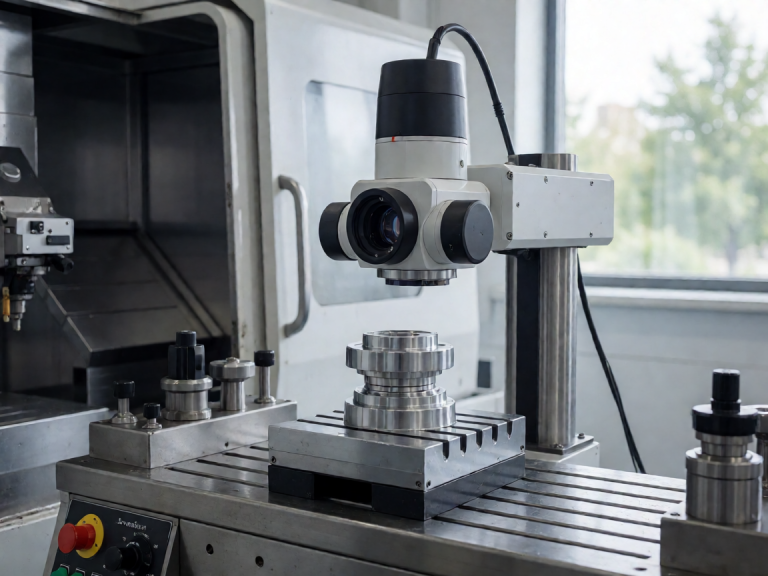
Automated quality inspection systems using optical sensors and machine vision now monitor cut surfaces in real time. Systems can detect deviations in kerf width, identify dross formation, and adjust laser parameters mid-cut without operator intervention. This closed-loop feedback reduces scrap rates and increases first-article success on complex aerospace and medical components where tolerances often fall below plus or minus zero point zero five millimeters.
Hybrid manufacturing cells combining laser cutting with robotic part handling and automated deburring stations represent the latest evolution in production flow. These cells minimize manual intervention between operations, reduce handling damage, and allow lights-out machining during extended production runs. Facilities implementing these systems report throughput increases of thirty to fifty percent while maintaining consistent dimensional accuracy across shift changes.
Selecting the right laser cutting system requires evaluating your specific material mix, thickness ranges, and volume requirements. Fiber lasers continue to improve across power levels from two to six kilowatts, and thicker materials now respond effectively to higher power outputs. Partnering with a machine shop that invests in current technology ensures your components meet exact specifications while benefiting from reduced cycle times and competitive pricing.