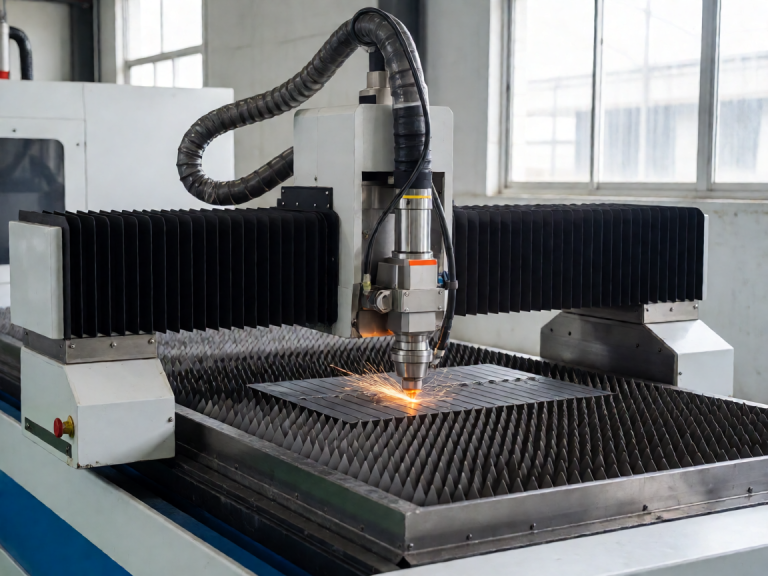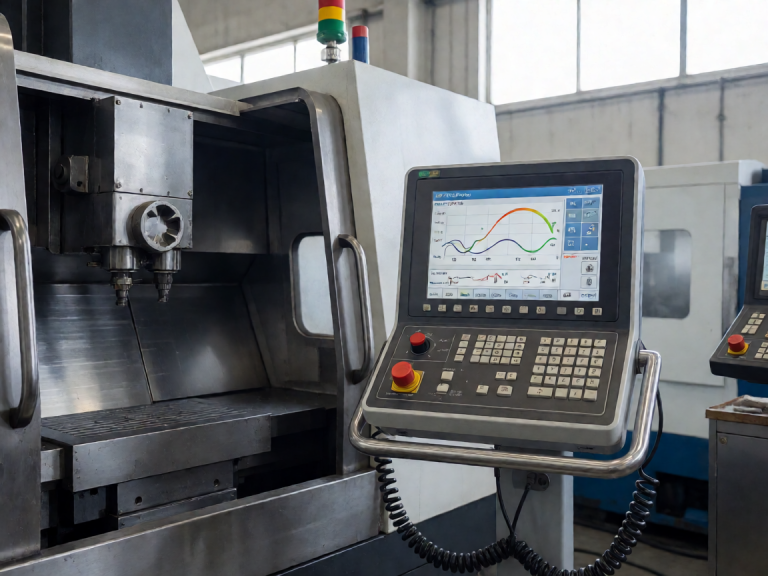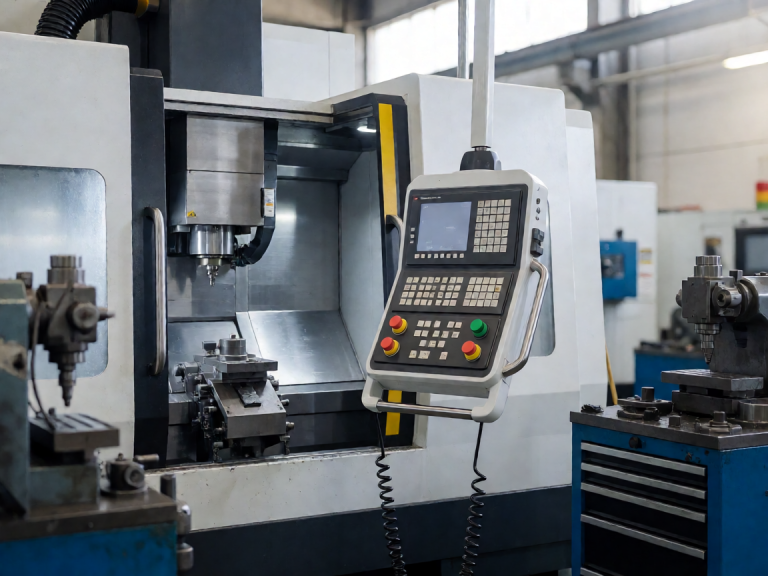











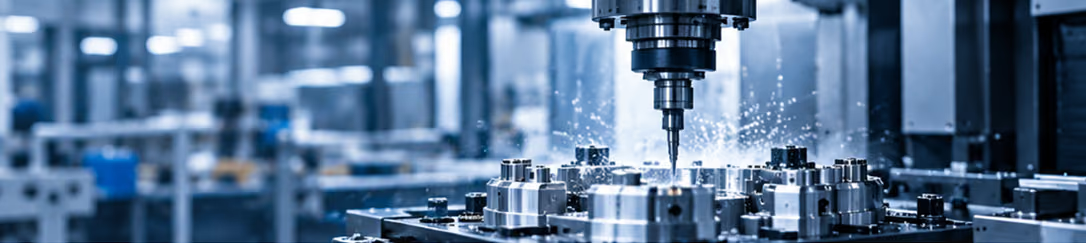
CNC machining has become an essential process in modern manufacturing, enabling the production of precision components with tolerances measured in microns. Modern CNC mills and lathes are controlled by computer software that translates digital designs into precise tool paths. This capability allows manufacturers to produce complex geometries repeatedly without manual intervention, making it indispensable across industries ranging from aerospace to medical device fabrication.
Quality control is where CNC machining distinguishes itself from conventional processes. These machines operate with consistency far beyond what manual techniques can achieve, and their repeatability means each component from a batch matches the previous one within extremely tight tolerances. This precision is critical in sectors like aerospace and automotive manufacturing, where dimensional variation must remain minimal.
Material versatility defines another major advantage of CNC technology. Machines can process metals, engineering plastics, composites, and ceramics, handling aluminum, titanium, stainless steel, and exotic alloys alike. This breadth of capability is essential for manufacturers who switch between materials during prototyping and production cycles without sacrificing part accuracy or surface finish quality.
Automation has driven significant reductions in production cost and cycle time. CNC equipment runs unattended for extended periods, and automated tool changers combined with pallet systems minimize downtime between operations. These efficiencies allow manufacturers to scale output without proportionally increasing labor expense, which is vital in today’s competitive industrial landscape.
The integration of CAD-CAM software further streamlines the workflow from design to finished part. Engineers can export geometry directly to machine toolpaths, dramatically reducing programming time. This integration supports both high-volume production runs and low-volume custom work, reinforcing the role of CNC machining across the entire manufacturing spectrum.