











Medical device manufacturers require precision machined components that meet rigorous dimensional tolerances and surface finish specifications. Parts used in surgical instruments, implantable devices, and diagnostic equipment must consistently perform under demanding conditions while maintaining compliance with regulatory standards such as ISO 13485 and FDA quality system requirements. The tolerances typically range from plus or minus zero point zero zero five millimeters for critical mating surfaces to tighter specifications on complex geometries found in orthopedic and cardiovascular applications.
Material selection plays a decisive role in the machinability and final performance of medical components. Titanium alloys, stainless steel grades including 316LVM, cobalt-chromium alloys, and various biocompatible polymers each present unique challenges during machining operations. Tooling strategies, cutting parameters, and coolant delivery methods must be carefully engineered to prevent material contamination, thermal distortion, and residual stress that could compromise the integrity of finished parts over their service lifetime.
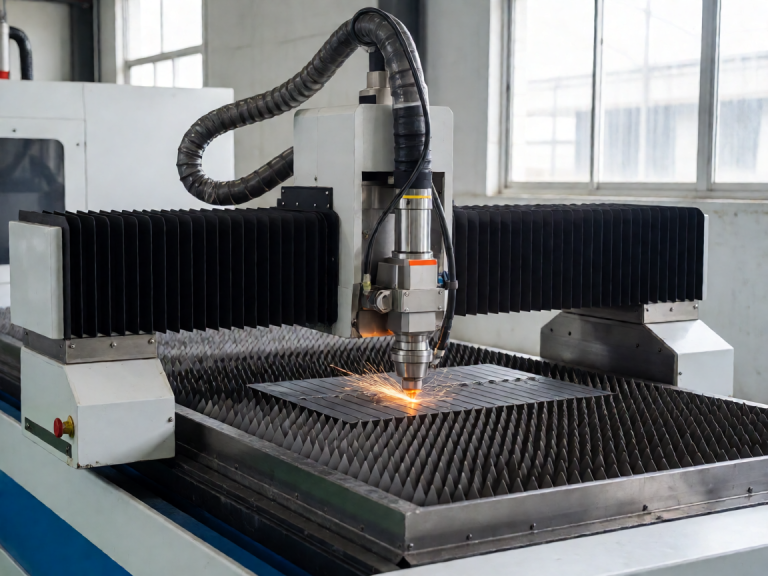
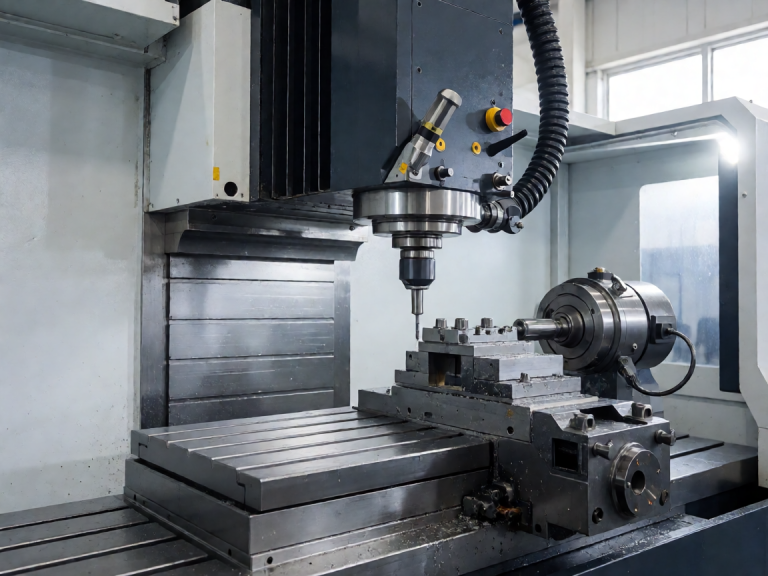
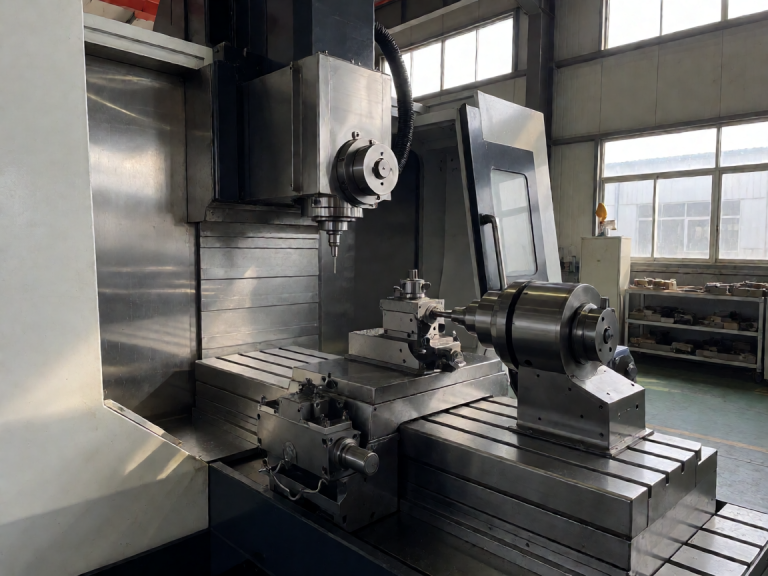
CNC milling, turning, and grinding processes are the primary manufacturing methods for producing these components. Multi-axis machining centers enable complex three-dimensional features to be completed in single setups, reducing handling errors and improving geometric consistency. Electrochemical machining and wire EDM are frequently employed for hardened materials and delicate internal passages where conventional cutting forces would damage the workpiece or degrade surface quality below acceptable thresholds.
Quality assurance protocols incorporate first article inspection using coordinate measuring machines, surface roughness analysis, and material certification verification before production release. Statistical process control monitoring ensures dimensional stability across production batches, while cleanroom environments prevent particulate contamination during assembly of sensitive surgical and implant components.
Collaborating with a machine shop that maintains medical device experience reduces development cycles and minimizes nonconformances during regulatory audits. Early engagement allows design engineers to incorporate manufacturability considerations, select appropriate tolerances that balance performance requirements with production feasibility, and validate material-process combinations before committing to full volume manufacturing runs.