











Nearshoring has transitioned from a strategic option to a supply chain imperative for precision manufacturers worldwide. Companies that previously centralized production in distant low-cost regions are now relocating operations closer to their primary markets, driven by rising transportation costs, prolonged lead times, and growing supply chain fragility exposed over the past several years. This shift is most visible in North American manufacturers moving production from Asia to Mexico and Central America, and European firms sourcing from Eastern Europe and North Africa rather than overseas.
The economic calculus behind nearshoring extends well beyond labor cost differentials. While nearshore locations may carry higher per-unit labor costs than traditional offshore hubs, the total landed cost often favors proximity when you factor in freight, inventory carrying costs, tariffs, and the hidden expenses of supply chain disruption. Lead times shrink from months to weeks, enabling just-in-time production models that were impossible with distant suppliers. This speed advantage directly improves responsiveness to demand fluctuations and reduces the need for large safety stocks.
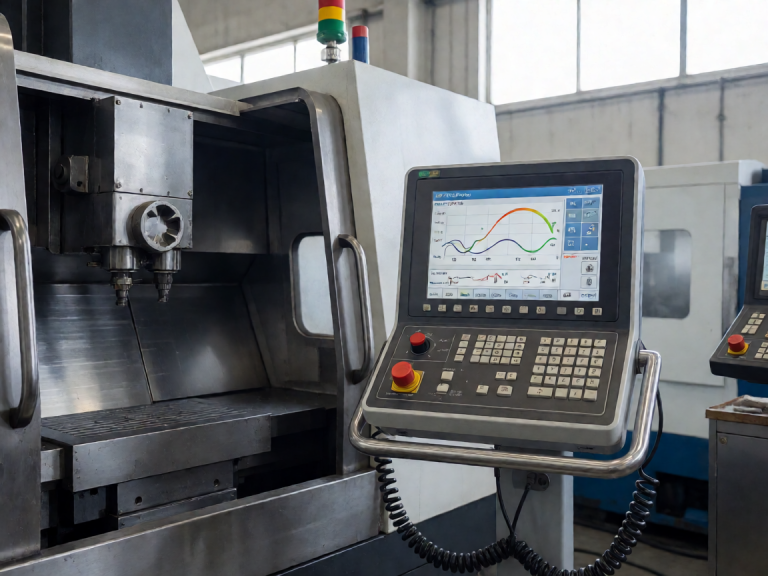
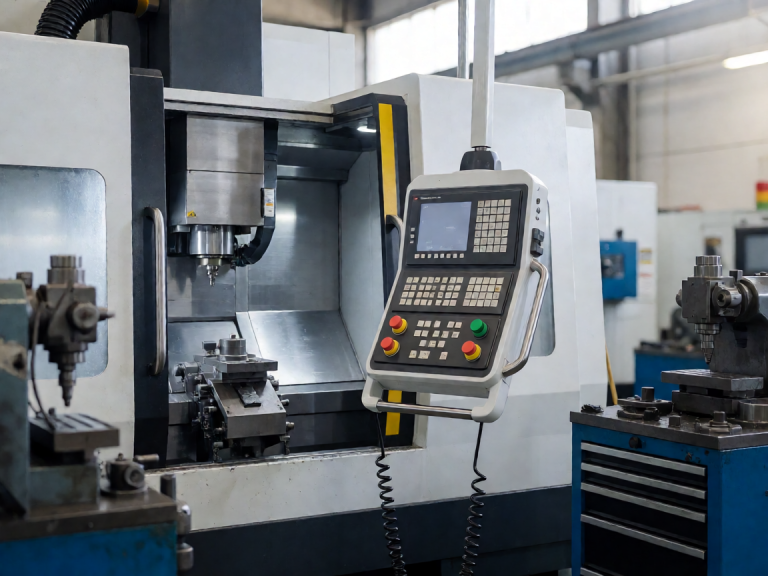
Technology integration plays a critical role in successful nearshoring strategies. Modern computer numerical control machining centers, automated quality inspection systems, and digital thread platforms allow nearshore facilities to maintain the same precision standards as legacy offshore operations. Buyers working with contract manufacturers in nearshore regions report comparable or improved quality outcomes, partly because engineers and production teams operate in overlapping time zones, facilitating faster design iterations and quicker resolution of technical issues.
Trade policy continues to accelerate this trend. Agreements such as the United States-Mexico-Canada Agreement have made nearshoring to North America increasingly attractive for component manufacturers serving automotive, aerospace, and medical device sectors. Governments on both sides of trade disputes are offering incentives for reshoring and nearshoring initiatives, further improving the financial case. Manufacturers evaluating supplier options should model total cost of ownership under current and anticipated tariff structures rather than relying on historical procurement data.
The companies that will thrive under this new paradigm are those treating nearshoring as part of a broader supply chain resilience strategy rather than a one-time relocation decision. This means qualifying multiple suppliers across different geographic regions, investing in supply chain visibility tools, and building relationships with contract manufacturers who understand the regulatory and quality requirements of your end market. The transition period requires upfront investment, but the long-term benefits in agility, risk reduction, and total cost stability are becoming increasingly measurable.