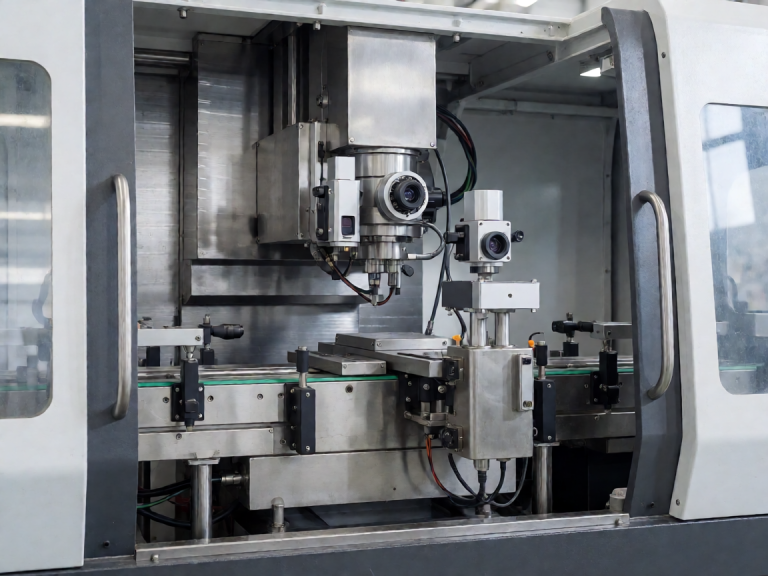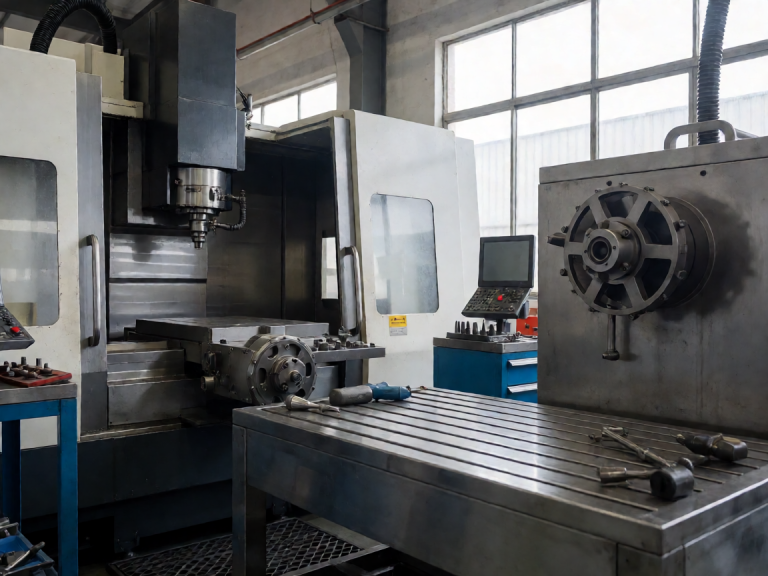












Industrial machining facilities that have completed comprehensive energy-saving projects consistently report significant reductions in operating costs over a twelve to eighteen month period. Facilities running CNC machining centers, injection molding machines, and industrial compressed air systems typically see between fifteen and thirty percent reduction in electricity consumption after targeted retrofits. The most common upgrades include high-efficiency servo motors, variable frequency drives on compressed air systems, and LED lighting replacements across production floors.
A case study from a medium-sized precision machining shop in Ohio documented the complete timeline of their energy project, beginning with an initial energy audit and ending with verified monthly savings three quarters later. The facility replaced twenty-three older spindle motors with permanent magnet synchronous motors and installed a heat recovery system on their central compressed air compressor. Total capital investment was approximately $285,000 with a projected simple payback period of thirty-one months based on local utility rates.
The data collected during the project showed that compressed air systems represented the single largest energy draw, accounting for nearly forty percent of total facility electricity use. Addressing leaks through routine maintenance schedules and installing demand-controlled ventilation in the machining hall alone reduced that consumption by twenty-two percent. The heat recovery system captured waste thermal energy and redirected it to pre-heat incoming process water for their CNC coolant systems.
Facility managers should expect a measurable power factor improvement following equipment upgrades, which can generate additional demand charge credits from utility providers. The same Ohio shop reported a power factor correction that reduced their monthly demand charges by an average of $1,100. Energy savings extend beyond direct utility costs as well, since reduced heat output from upgraded motors lowers HVAC loads during warmer months.
For buyers evaluating whether to pursue a similar project, the recommended first step is a detailed sub-metering analysis across all major equipment categories over a minimum thirty-day period. This baseline data identifies which systems consume the most energy and reveals load profile patterns that inform the design of a cost-effective retrofit plan. Projects planned without this foundation often target the wrong equipment and deliver disappointing returns.