











Local manufacturers increasingly recognize that a skilled workforce begins long before a student enters a university engineering program. Community STEM education partnerships connect precision machining and manufacturing companies with regional schools, technical colleges, and workforce development organizations to create pipelines of prepared talent. These collaborations serve a practical purpose: ensuring that the next generation of workers possesses the foundational knowledge and hands-on experience that modern production environments demand.
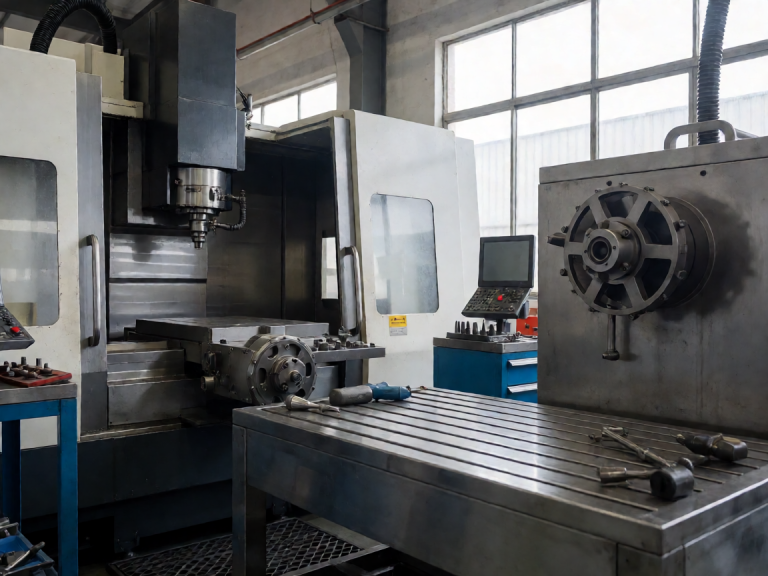
A typical partnership might involve a machine shop donating spare equipment, outdated CNC controllers, or raw materials to a high school career and technical education program. In return, instructors gain the ability to teach real-world operations using equipment that mirrors what students will encounter on an actual factory floor. This approach eliminates the gap between textbook theory and shop-floor reality, allowing students to develop relevant competencies while they are still in secondary education.
Manufacturers benefit directly from these programs because they can shape curriculum to align with their specific operational needs. When a company partners with a local technical college, it can influence course content to emphasize tight-tolerance machining, metrology fundamentals, or CNC programming in the languages most commonly used in the facility. The result is a candidate pool that requires significantly less remedial training during onboarding, reducing time-to-productivity for new hires.
Successful partnerships also often include structured internship or apprenticeship components. Students enrolled in partnered programs gain access to paid work experiences at the manufacturing facility, where they apply classroom learning to live production challenges. Employers use these placements as extended interviews, evaluating technical aptitude, work ethic, and cultural fit before making any hire. Many companies report that hires who completed such programs demonstrate stronger retention rates compared to candidates sourced through traditional recruitment channels.
For manufacturers considering a partnership, the first step is identifying existing educational institutions in the region that already operate manufacturing-related programs. Reaching out to program directors to understand their equipment needs and curriculum gaps provides a clear entry point. Companies should also explore state and federal workforce development grants that can offset the cost of donated equipment or funded training slots, making the investment in community partnerships financially sustainable over the long term.