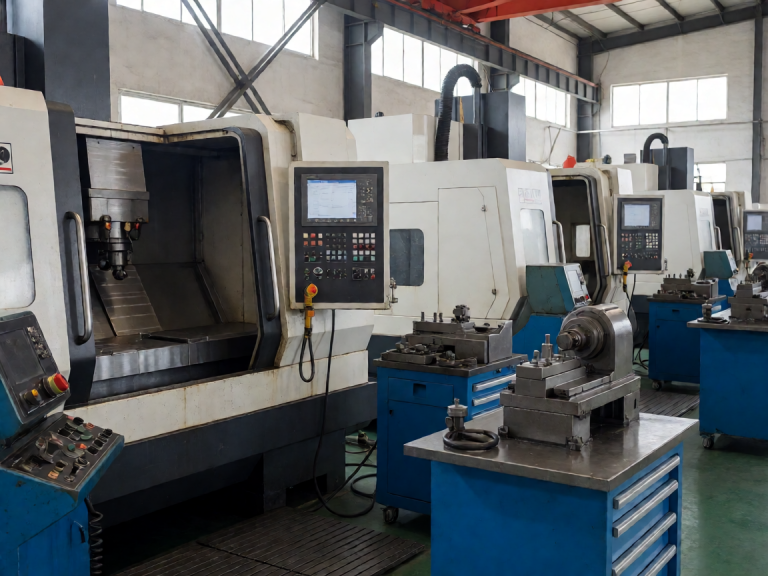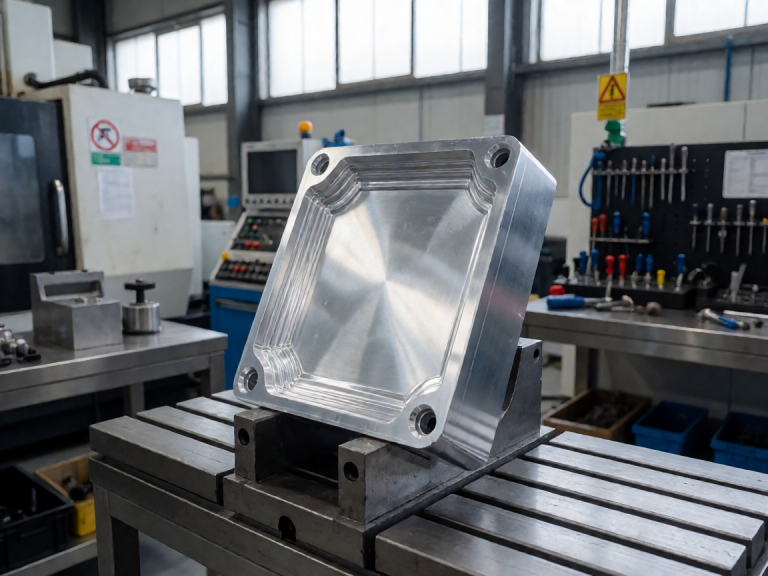












Strategic international partnerships have become essential for precision machining and manufacturing companies seeking sustainable competitive advantage. By collaborating with certified suppliers across multiple continents, manufacturers gain access to specialized capabilities that would require prohibitive capital investment to develop internally. These alliances enable round-the-clock production cycles as shifts move seamlessly across time zones while maintaining consistent quality standards.
Quality alignment remains the most critical requirement in any global partnership arrangement. Working with facilities that maintain ISO 9001 certification, AS9100 requirements, or IATF 16949 compliance ensures every component meets exact specifications regardless of geographic origin. Joint quality audits, shared inspection protocols, and integrated measurement traceability eliminate the variations that commonly undermine cross-border manufacturing relationships.
Technology transfer and process improvement flow more effectively through established partnership frameworks than through transactional supplier relationships alone. Long-term collaboration allows engineering teams to co-develop fixture designs, optimize tool paths together, and share best practices that reduce cycle times and scrap rates across all participating facilities. This knowledge exchange builds collective capability far beyond what any single organization could achieve independently.
Supply chain resilience strengthens considerably when partners span diverse geographic regions while sharing real-time capacity visibility. Multi-region manufacturing networks absorb regional disruptions more effectively than single-source operations, ensuring continued delivery commitment to end customers even during natural disasters, trade policy changes, or localized supply constraints.
Measuring partnership success requires tracking specific operational metrics including on-time delivery performance, first-pass yield rates, and corrective action response times across all partner facilities. Regular scorecard reviews and structured improvement programs ensure global alliances deliver measurable value rather than aspirational claims.