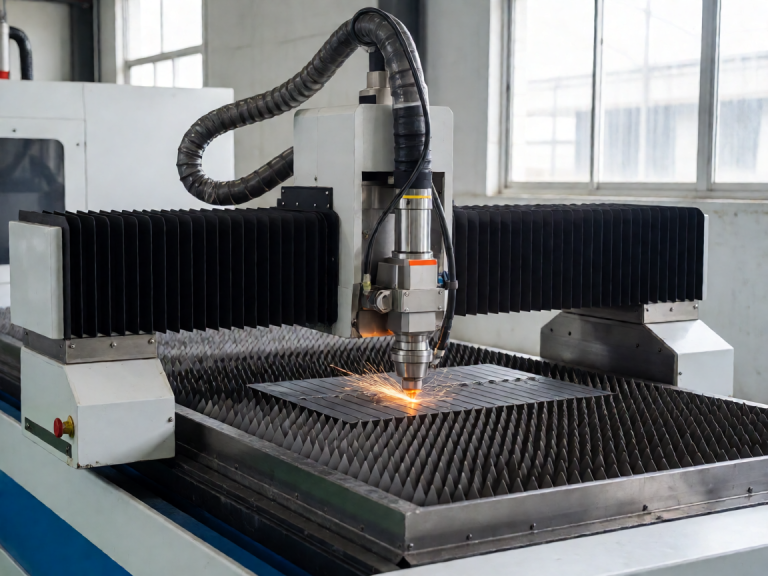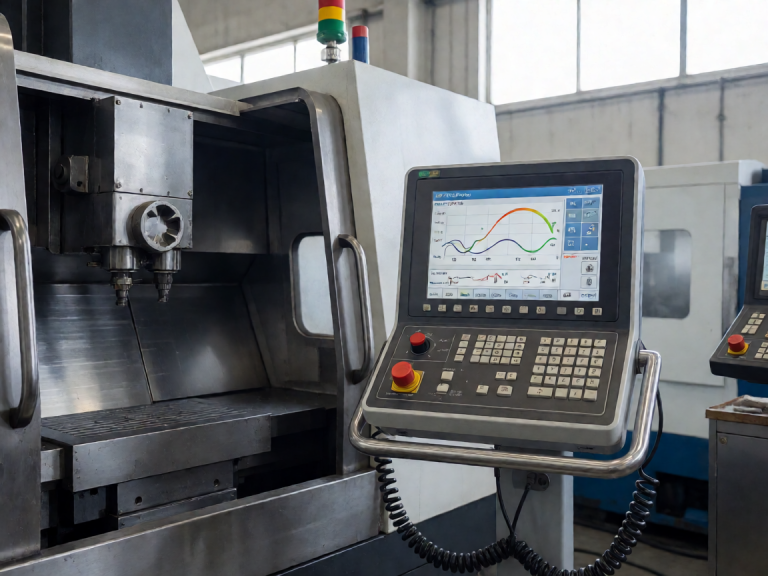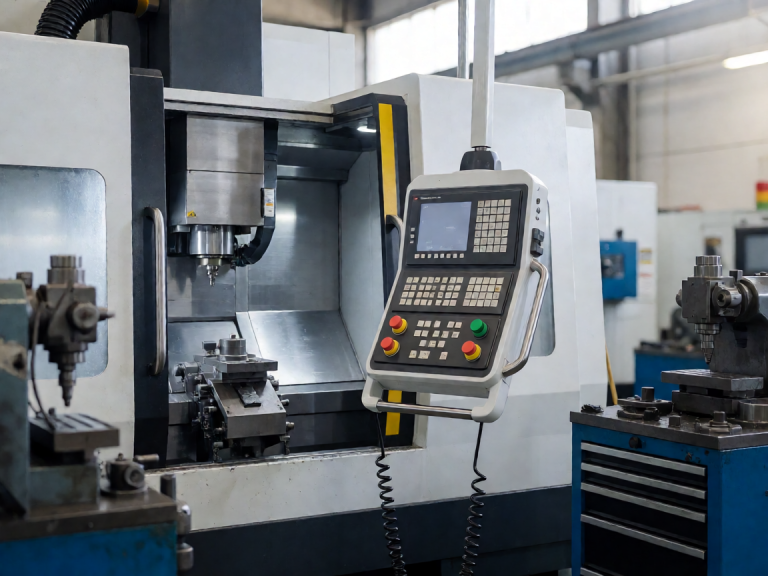











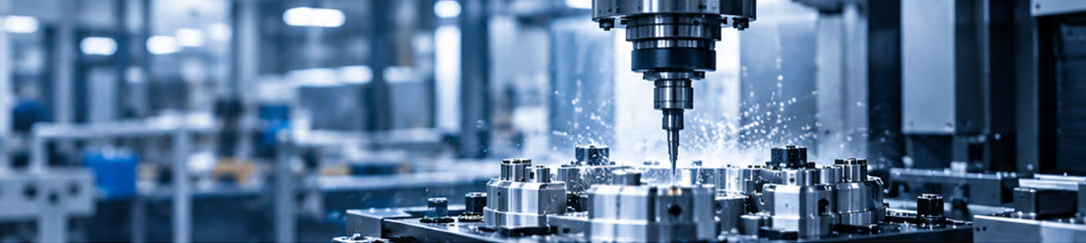
Precision manufacturing reduces waste at its source by producing parts that meet exact tolerances on the first attempt. When components are machined correctly the first time, scrap rates drop significantly, meaning less raw material is sent to landfills and fewer resources are consumed to rework or replace defective parts. This direct reduction in material waste is one of the most measurable sustainability contributions that modern CNC machining centers and advanced fabrication processes deliver to industrial buyers.
Energy efficiency improves as precision processes eliminate the need for secondary operations, excessive finishing, and repeated tool changes. Modern machine tools with live tooling, multi-axis capabilities, and high-speed spindles complete complex geometries in a single setup. This consolidation of operations reduces cycle times, lowers power consumption per part, and decreases the overall energy footprint of the manufacturing workflow without sacrificing dimensional accuracy or surface quality.
Material selection plays a critical role in sustainability outcomes, and precision manufacturers increasingly work with aluminum alloys, titanium, and recycled-grade metals that offer favorable strength-to-weight ratios. Lighter components translate directly into fuel savings across transportation, aerospace, and automotive applications. The ability to machine these materials to tight tolerances means parts perform longer, require less frequent replacement, and generate fewer emissions over their service life.
Longer-lasting components produced through precision manufacturing reduce the frequency of replacements and maintenance interventions. When bearings, seals, and structural parts meet strict specifications, they experience less wear and maintain performance over extended cycles. This durability advantage extends product lifespans across industries and reduces the cumulative demand for new raw materials and associated production energy over time.
For industrial procurement teams evaluating suppliers, precision manufacturing offers a concrete path toward sustainability goals without compromising production timelines or part quality. Tighter tolerances, reduced scrap, lower energy use, and enhanced component longevity collectively represent a measurable contribution to corporate environmental targets and regulatory compliance requirements across every sector that relies on engineered components.