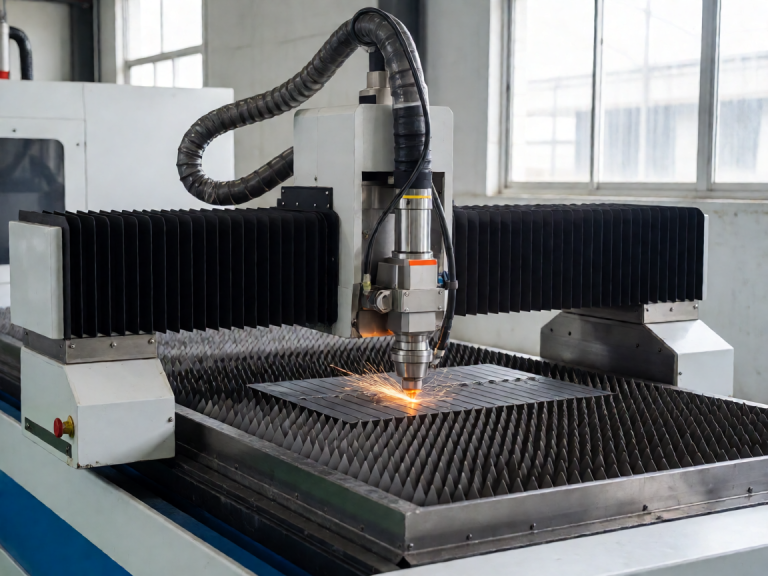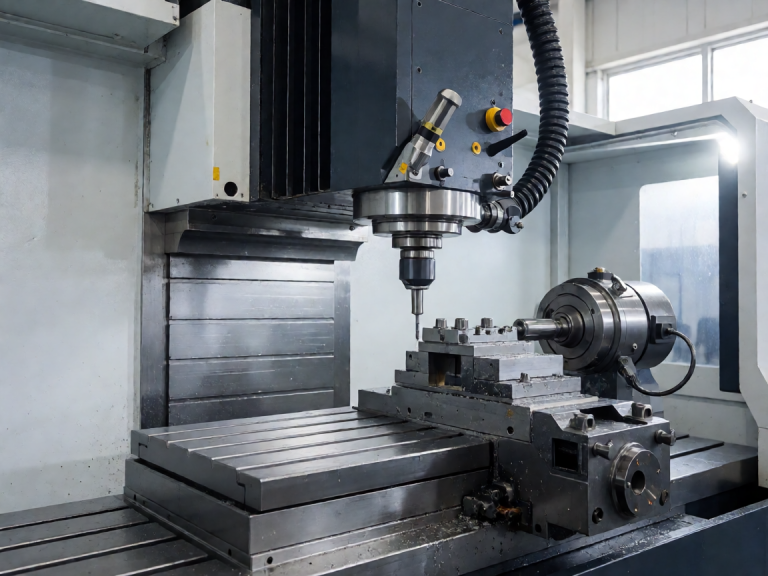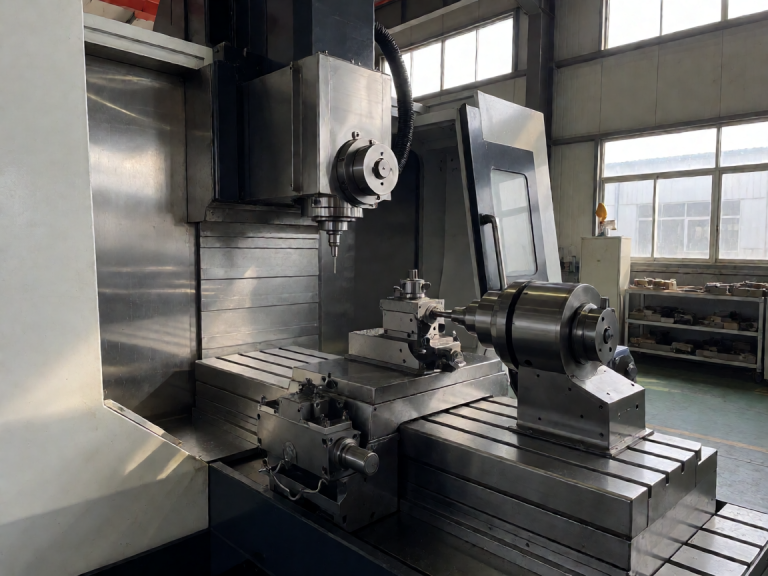












Packaging machinery relies on thousands of precision-machined components that endure high-speed cycling, repeated thermal exposure, and constant mechanical stress. From form-fill-seal units to vertical cartoning systems, the tolerances of guide rods, cam followers, shaft assemblies, and cutting inserts directly influence line uptime and package quality. Understanding how these parts are manufactured helps procurement and engineering teams specify replacements that meet original performance standards.
Material selection is the first determinant of component longevity in packaging environments. Stainless steel grades such as 416 and 316 are common for parts exposed to washdown cycles or sanitary requirements. Aluminum alloys like 6061 and 7075 appear in lightweight linkage and bracket applications where reduced mass lowers inertial loads on high-speed axes. Engineering plastics including acetal and PTFE serve as wear surfaces and bushings where metal-on-metal contact would generate excessive friction or particle contamination.
CNC milling, turning, and grinding processes are the standard manufacturing methods for packaging machinery components. Tight tolerance classes ranging from H7 to H8 are routinely achieved on bearing seats, shaft diameters, and guide interfaces. Surface finishes between 16 and 32 microinches Ra minimize adhesive buildup on product-contact surfaces, which is especially critical in food and pharmaceutical packaging lines where residue accumulation can trigger contamination events and unplanned cleaning stops.
Replacement and retrofit programs benefit from reverse engineering when original drawings are unavailable. Coordinate measuring machines verify critical dimensions on worn components, and CMM reporting provides the data needed to reproduce parts that maintain proper kinematic relationships within the machine assembly. Modern precision machining shops maintain the capability to produce single replacement units or short production runs without requiring full tooling investment, reducing lead times for critical spare parts.
Quality documentation accompanies every shipment of machined packaging components. Material certificates confirm alloy compliance, inspection reports document dimensional verification against engineering drawings, and surface finish measurements are recorded for every critical feature. This documentation supports traceability requirements in regulated industries and gives maintenance planners confidence that replacement parts will perform identically to the originals in demanding production environments.