











Predictive maintenance has become a necessity for precision machining shops that cannot afford unexpected equipment failures. When a CNC machine breaks down without warning, the consequences extend far beyond repair costs. Production schedules slip, on-time delivery commitments are breached, and customer trust erodes. Shops that invest in condition-based monitoring frameworks consistently outperform those relying on reactive or calendar-driven maintenance approaches.
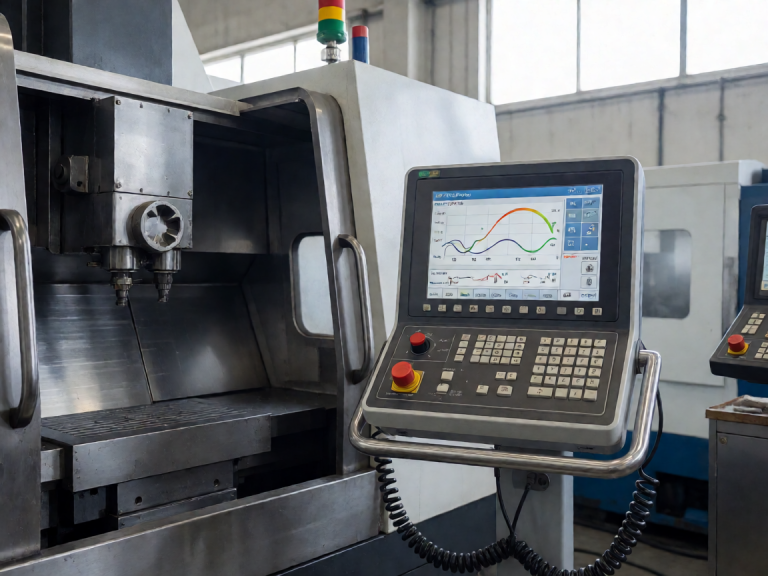
The foundation of any effective predictive maintenance program involves continuous monitoring of critical machine parameters such as spindle vibration, bearing temperature, axis movement smoothness, and motor power consumption. Modern sensors and IoT-connected data acquisition systems can capture this information in real time and feed it into analytics platforms that flag anomalies before they develop into costly failures. A slight increase in spindle vibration over several days often indicates bearing wear long before catastrophic failure occurs.
Beyond machinery health, predictive maintenance also influences tooling strategy. By correlating cutting data with tool wear patterns, shops can determine optimal replacement intervals rather than relying on fixed schedules or waiting for visible degradation. This approach reduces scrap rates, protects finished part quality, and eliminates both premature tool changes and unexpected tool failures during production runs.
The financial case for predictive maintenance is straightforward. Shops report average downtime reductions of twenty to thirty percent after implementing condition-monitoring programs, with many recovering their initial investment within the first year through avoided emergency repairs and lost production hours. The transition requires capital for sensors, software, and training, but the cumulative savings across extended equipment life, lower inventory of replacement parts, and improved scheduling accuracy typically deliver strong returns.
Starting a predictive maintenance initiative does not require equipping every machine simultaneously. Many shops begin by installing monitoring systems on their highest-value or most failure-prone equipment, establish baseline performance data, and expand progressively. The key is building a culture where maintenance decisions are driven by actual machine condition rather than routine schedules or gut instinct.