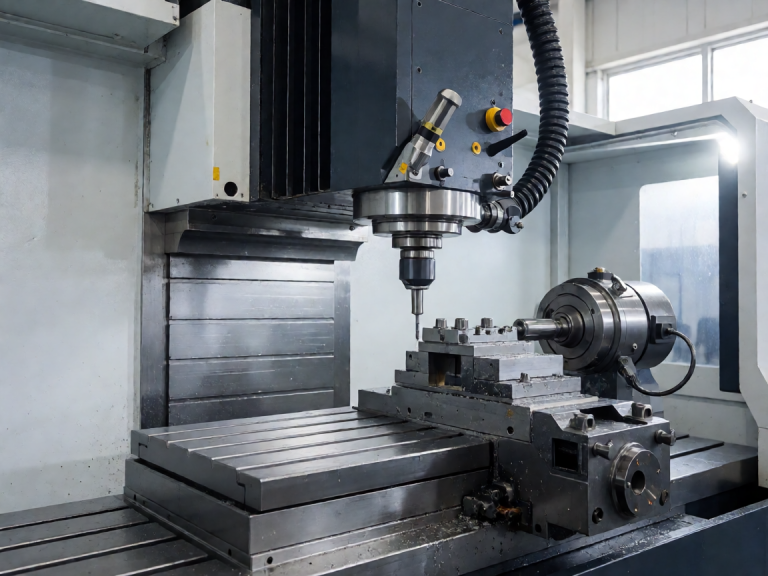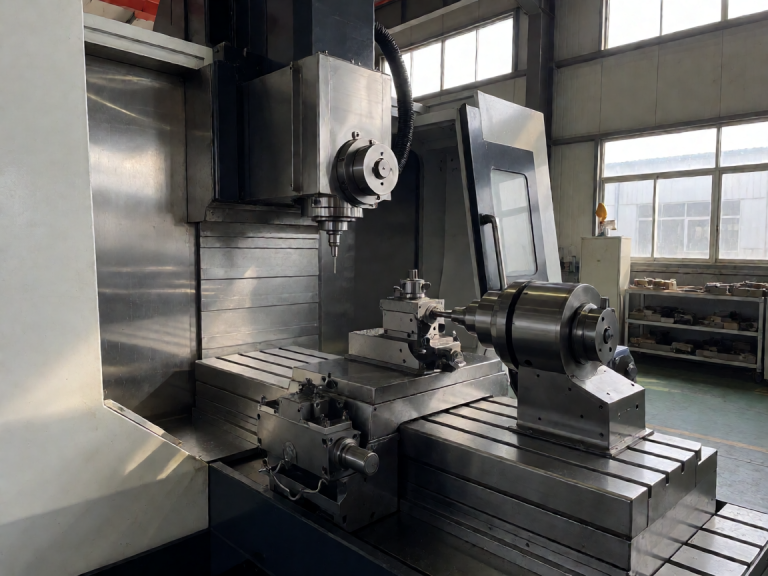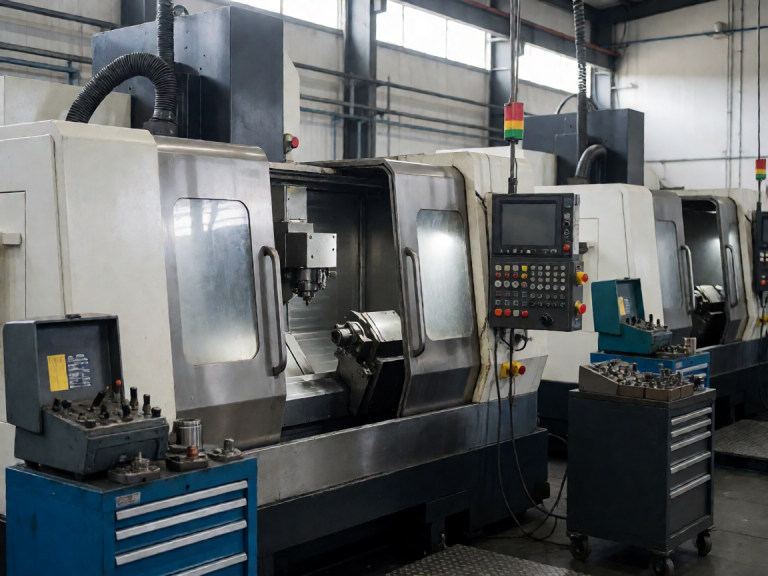












Materials innovation workshops bring together manufacturing engineers and procurement specialists to examine emerging alloys, polymer composites, and surface treatment technologies that affect production outcomes. Attendees evaluate how advances in material science directly influence machining parameters, tool life, tolerance retention, and final part performance in demanding industrial environments.
These sessions provide hands-on comparison between conventional stock materials and newer alternatives such as advanced titanium grades, high-entropy alloys, and engineered thermoplastics. Engineers assess chip formation behavior, thermal conductivity changes, and cutting fluid compatibility to determine which materials justify process adjustments or equipment upgrades on the shop floor.
Workshop presentations typically cover real-world case studies from aerospace, medical device, and automotive sectors. Participants review documented data on reduced cycle times, improved surface finish quality, and extended tool service intervals achieved through deliberate material substitution or refined handling procedures.
Procurement teams use workshop insights to build supplier qualification criteria and negotiate technical specifications with raw material vendors. Factory planners analyze whether introducing a new material grade warrants retooling, recalibrating CNC programs, or revising inspection protocols before committing to volume production.
The value of materials innovation workshops lies in translating laboratory research into actionable manufacturing decisions. Engineers leave with validated material selection guidance, measurable process improvement targets, and a clearer understanding of how next-generation materials can reduce waste, increase throughput, and support sustainability goals across precision machining operations.