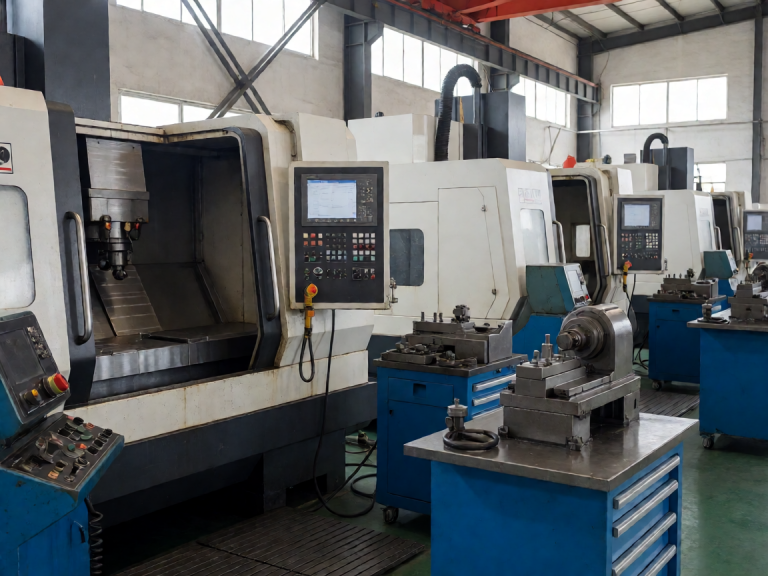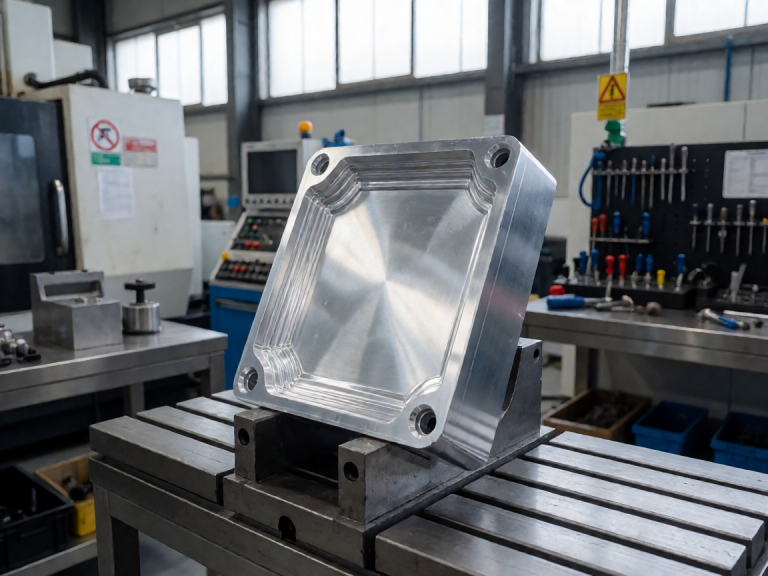












Precision machining companies face mounting pressure to reduce lead times, improve tolerances, and manage rising material costs. Organizations that allocate resources toward sustained innovation—not isolated upgrades—build capabilities that compound over years rather than months. The distinction matters: one-off automation projects deliver temporary throughput gains, while systematic investment in digital tooling management, adaptive control systems, and operator training creates durable competitive advantage.
Investing in advanced metrology infrastructure represents one of the most measurable paths to long-term growth. When a shop commits to automated optical inspection, CMM probing cycles integrated into production workflows, and real-time SPC dashboards, scrap rates typically decline within the first fiscal year. These improvements free capacity for higher-margin work and reduce the cost per inspected part, directly strengthening margins on repeat orders from demanding sectors like aerospace and medical device manufacturing.
Digital thread adoption—linking CAD models, CAM programs, machine tool data, and quality records into a single traceable flow—requires upfront investment but pays through reduced setup time, faster first-article approval, and more accurate quoting. Buyers evaluating machining partners increasingly expect full process documentation, and shops without integrated digital systems lose bids to competitors who can demonstrate complete traceability and process validation.
Workforce innovation deserves equal consideration. A machining center equipped with five-axis capability produces little value without operators who understand advanced fixturing strategies, tool-path optimization, and in-process measurement techniques. Companies that invest in cross-training programs, certification pathways, and retention strategies build teams capable of handling complex geometries with confidence and consistency.
Long-term growth in precision manufacturing ultimately comes down to deliberate capital allocation. Leaders who balance investments across technology, process integration, and people position their operations to capture market share as industry standards tighten and customer expectations continue to rise.