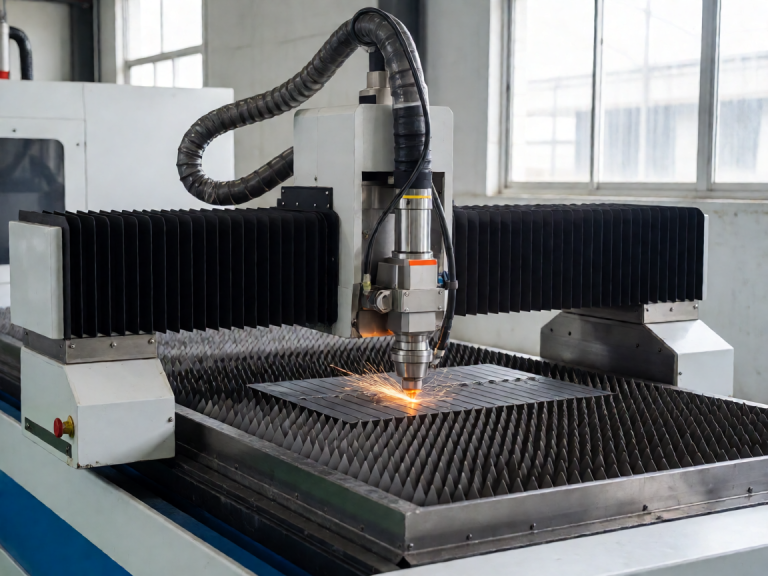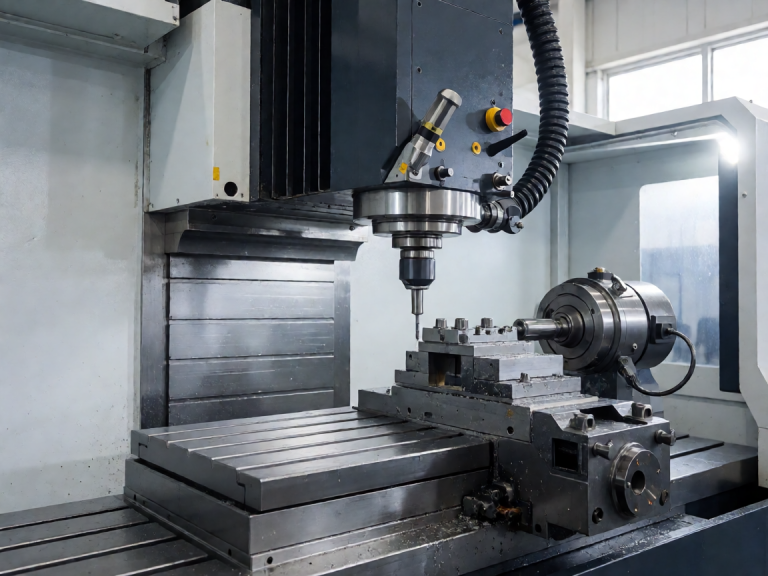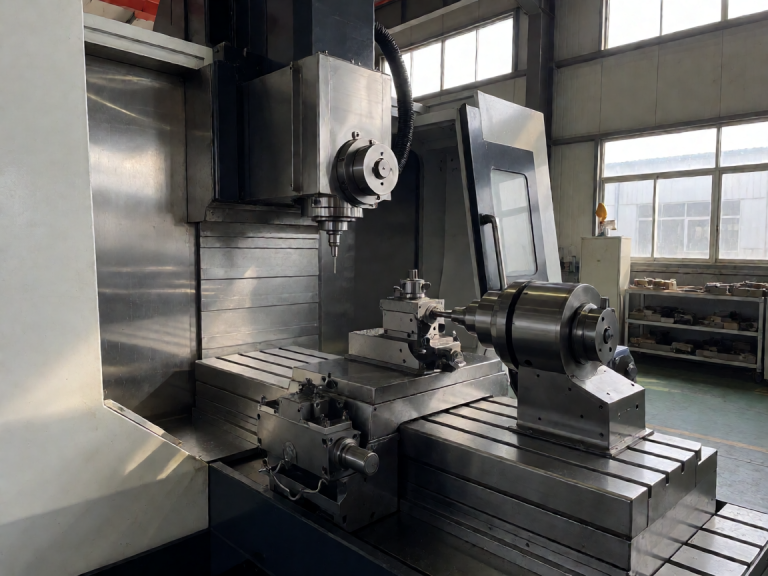












The medical device industry requires the highest levels of precision and repeatability across every manufactured component. Surgical instruments, implantable devices, and diagnostic equipment all depend on CNC machining to produce parts that meet stringent regulatory standards. Material selection, surface finish specifications, and dimensional tolerances directly determine whether a component passes quality audits or fails acceptance criteria during supplier evaluation.
Stainless steel grades including 316L and 17-4 PH dominate medical component production due to their corrosion resistance and biocompatibility. Titanium alloys such as Ti-6Al-4V are routinely specified for implantable devices where mechanical strength and low density are essential design requirements. Each material exhibits distinct machining characteristics that require specific cutting tool geometries, spindle speeds, and feed rates to achieve consistent surface integrity and dimensional accuracy.
Regulatory compliance under ISO 13485 and FDA quality system regulations governs every stage of the manufacturing process. Complete traceability from raw material lot identification through final inspection is mandatory for each production batch. This requirement influences process documentation, statistical process control methodology, and the maintenance of certified calibration records across all measuring and test equipment used during fabrication.
Surface finish specifications are equally critical for medical device performance. Components requiring smooth surfaces to minimize bacterial adhesion or ensure proper fluid dynamics demand controlled post-processing operations. Electro-polishing, passivation, and media blasting are common finishing methods that must be validated and documented as part of the production record. Tolerances of ±0.0005 inches or tighter are standard for bearing surfaces and precision mating features.
Selecting a machining partner with proven medical device experience ensures consistent quality output, reliable traceability, and demonstrated compliance capability. Facilities operating certified cleanroom environments and maintaining ISO 13485 registration can deliver components that meet rigorous medical industry standards while supporting efficient production timelines and competitive unit costs.