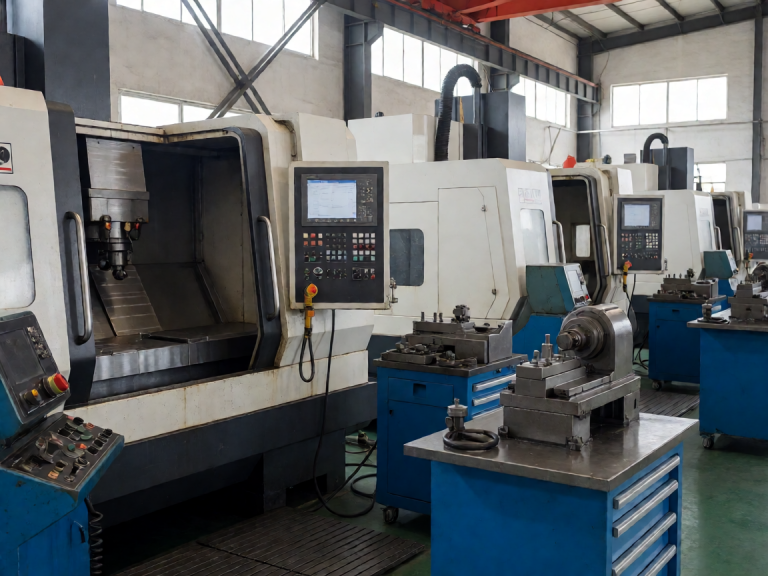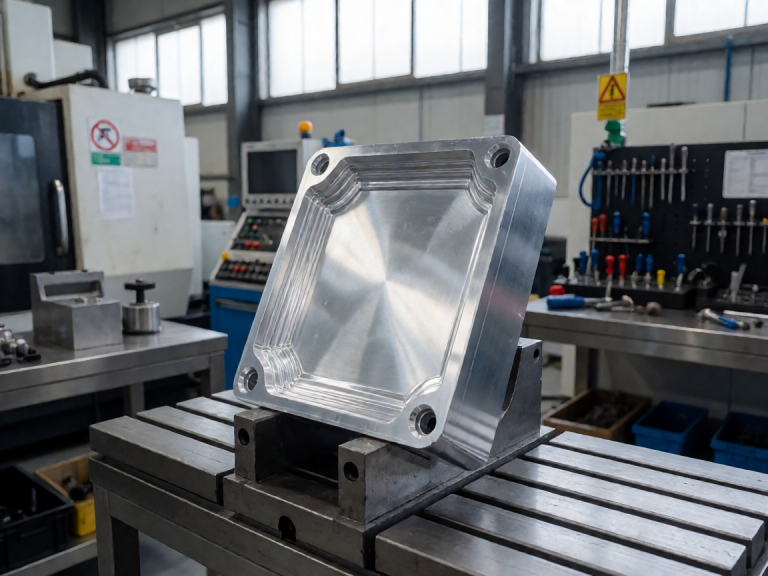












Precision machining shops that still rely on paper drawings or isolated digital files face mounting pressure to adopt structured digital drawing workflows. Outdated methods introduce version mismatches between design and the shop floor, increase rework rates, and create traceability gaps that become costly during audits. A disciplined transition to digital-native drawing management addresses these issues by centralizing revisions, enforcing access controls, and linking every drawing to its source CAD model.
Transition begins with selecting the right platform infrastructure. Many shops adopt a combination of CAD software, PLM systems, and document control repositories that together manage drawing creation, review, approval, and distribution. The goal is a single source of truth where revision history is automatic, distribution is tracked, and outdated sheets cannot reach the floor without explicit sign-off. This eliminates the common problem of machines running to superseded drawings.
Implementation requires structured change management. Machinists, setters, and inspectors each interact with drawings differently, so workflow configurations should reflect those roles rather than treating all users the same. Training must cover not only the new software interface but also the revised procedures for requesting updates, reporting discrepancies, and confirming receipt of revised drawings. Without this behavioral shift, a digital system becomes just another repository of uncontrolled files.
Data integrity governs whether the workflow delivers measurable results. Drawing metadata, tolerances, GD&T callouts, and material specifications should carry through from CAD to PLM to CAM without manual re-entry. Automated data transfer reduces transcription errors and ensures that the drawing on the shop floor matches the model used to program equipment. Validation checks during migration confirm that legacy drawings are fully digitized and that no revision is lost in the transition.
The operational impact of adopting digital drawing workflows extends beyond documentation. Consistent drawing control improves first-article inspection accuracy, supports tighter change management, and provides auditable records for quality systems. For precision machining operations, this translates into reduced scrap, shorter setup times, and greater confidence that every part is produced against the correct revision.