










The automotive industry continues to push the boundaries of precision machining as vehicle complexity increases across both traditional internal combustion platforms and electric powertrains. Modern engine components, transmission gears, and EV motor housings require tolerances measured in micrometers, making advanced CNC milling and turning essential to meeting quality standards without sacrificing production volume.
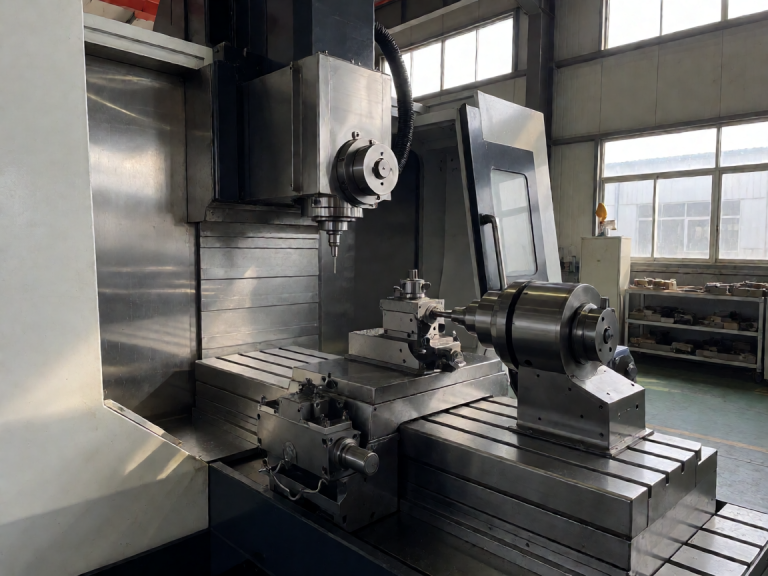
Automotive suppliers are increasingly sourcing parts manufactured on 5-axis CNC centers and multi-spindle lathes capable of holding tolerances between ±0.005 mm and ±0.01 mm depending on the application. Components such as turbocharger shafts, brake system housings, and battery enclosure mounts fall into this category, where dimensional consistency directly affects vehicle safety and performance over the product lifecycle.
Material selection plays a critical role in automotive machining strategy. Aluminum alloys dominate lightweighting initiatives for EV range optimization, while hardened steels remain standard for drivetrain and suspension components. Titanium and high-performance polymers appear in increasing numbers within electric vehicle thermal management and sensor housings, requiring specific tool geometries and coolant strategies to maintain surface finish and tool life.
Volume production at automotive tier-one and tier-two supplier levels demands repeatability across thousands of cycles. Suppliers rely on first-article inspection protocols, statistical process control, and in-line CMM measurement to validate batches before shipment. Compliance with IATF 16949 quality management requirements is now baseline expectation rather than differentiator in this supply chain.
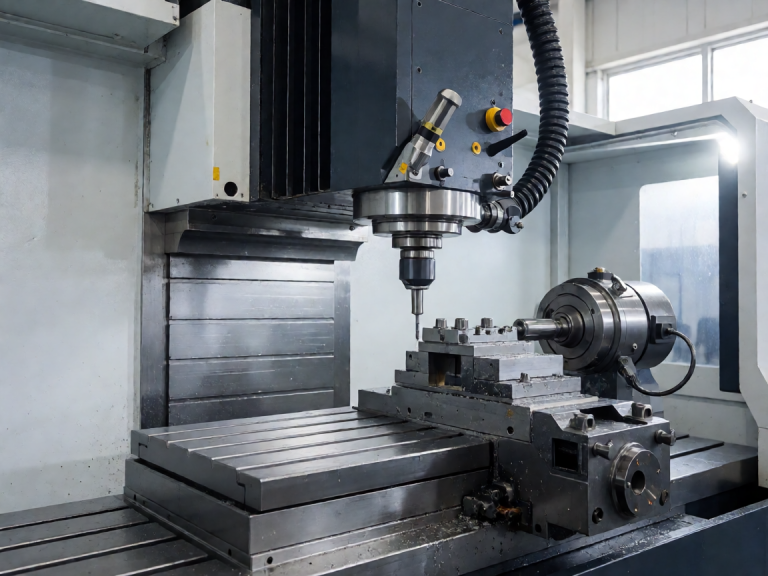
Machining technology investments in the automotive sector continue toward hybrid manufacturing cells that combine milling, turning, and grinding operations in a single setup. This approach reduces handling time, minimizes cumulative error, and shortens lead times for prototype through production parts, making it a strategic advantage for manufacturers serving OEM demand.